

Picture this: you’re out and about, ready to capture the perfect sunset selfie, but your iPhone suddenly declares it can only connect to emergency services. Panic sets in. Why is it stuck on SOS only? It’s like your phone decided to go on a digital diet, cutting out everything but the essentials.
In a world where connectivity is king, seeing that SOS message can feel like a cruel joke. But don’t worry; it’s not the end of your smartphone romance. This quirky situation often points to a few common culprits, from network issues to settings that just want to play hard to get. Let’s dive into the reasons behind this frustrating phenomenon and explore how to get your iPhone back to its chatty self.
Understanding iPhone SOS Only Mode
iPhones display “SOS only” when the device fails to connect to the network. This mode signals that emergency calls can still be made while all other communication options are restricted. Various scenarios contribute to this occurrence, including network coverage issues, SIM card problems, or specific device settings.
Network coverage plays a significant role in connectivity. If a user is in an area with poor signal strength, the iPhone might default to “SOS only.” Alternative solutions might involve moving to a location with a stronger signal. Users should check their service provider for outages or disruptions, as these can also lead to this situation.
Another contributing factor is the SIM card status. If the SIM card is not correctly inserted, damaged, or inactive, the device cannot establish a connection. Inspecting and reseating the SIM card can often resolve this issue. Additionally, significant software glitches can also trigger the SOS only message. Performing a restart or updating the iOS version generally enhances performance and fixes bugs.
Settings may unintentionally restrict connectivity. Airplane mode, when activated, disables network access, leading to this sign. Deactivating Airplane mode typically restores network functionality. Furthermore, enabling carrier settings or resetting network settings can also assist in regaining full connectivity.
Understanding these factors helps users navigate their iPhones effectively. Identifying the cause of the “SOS only” message allows for quicker resolutions and improved connections.
Common Causes of SOS Only
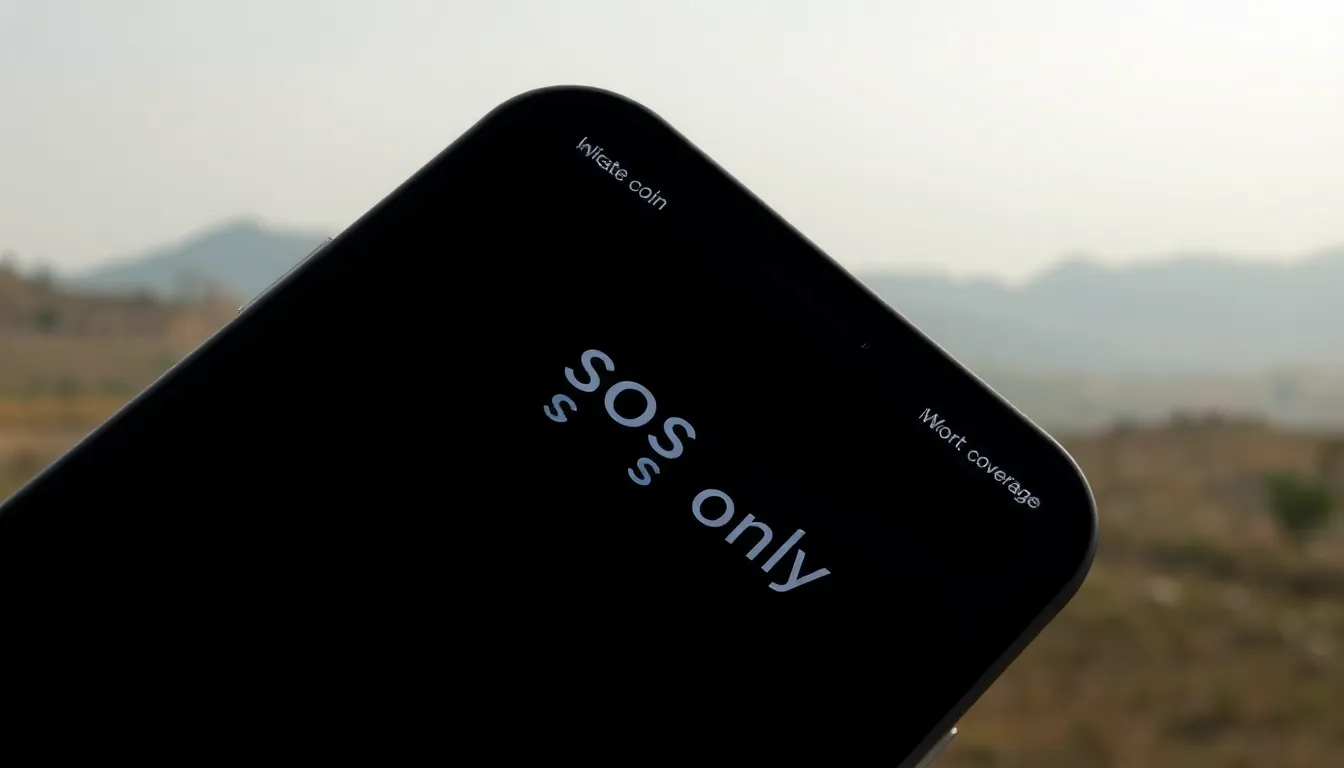
Several factors lead to an iPhone showing “SOS only.” Understanding these causes enables users to address issues effectively.
Network Issues
Inadequate or unstable network coverage often triggers the “SOS only” status. Users may find this situation in remote areas, where cell towers are sparse. Signal interference from physical barriers or other electronic devices diminishes connections. Service outages due to maintenance or unexpected failures also contribute to this problem. Users should verify the service status with their provider. Checking for updates on planned outages ensures uninterrupted connectivity. Finally, moving to a location with better reception increases the likelihood of regaining standard network access.
SIM Card Problems
Problems with the SIM card frequently lead to the “SOS only” message. Improperly inserted SIM cards disrupt the phone’s ability to connect to the network. Additionally, physical damage to the card itself often prevents service. Users can resolve this by reseating the SIM card or replacing it if necessary. Debris or dust in the SIM card slot can also hinder connection. Cleaning the slot gently can restore functionality. Finally, testing the SIM card in another device helps identify whether the issue lies with the card or the phone itself.
Troubleshooting Steps
When an iPhone displays an “SOS only” message, several steps may help restore connectivity. Each troubleshooting method addresses potential causes effectively.
Restarting Your iPhone
Restarting the iPhone often resolves temporary software glitches. To do this, press and hold the power button until the slider appears, then slide to power off. Wait for about 30 seconds before turning it back on. After the device restarts, check if the message persists. This simple step can refresh the network connection.
Checking Carrier Settings
Carrier settings updates can enhance network connectivity. To check for updates, navigate to Settings, select General, and then tap About. If an update is available, a prompt will appear. Applying these updates can fix many connectivity issues. Ensuring the device has the latest carrier settings resolves compatibility problems with the network.
Re-inserting the SIM Card
Removing and reinserting the SIM card may correct connection problems. First, turn off the iPhone and use a SIM eject tool to remove the SIM tray. Check the SIM card for any visible damage and clean it if necessary. Place the card back in firmly and ensure the tray is secure. After powering the phone on, verify if the issue is resolved. This action can eliminate potential SIM-related issues impacting network access.
Seeking Professional Help
When users face the “SOS only” issue on their iPhones despite troubleshooting efforts, seeking professional help often becomes necessary. Visiting an Apple Store or contacting authorized service providers can uncover underlying hardware issues. Experts typically assess the device for potential faults like damaged antennas or defective SIM card slots.
Sometimes, the problem might stem from software that requires advanced expertise to resolve. Diagnostic tools that technicians have access to can pinpoint the exact cause of the connectivity issue. Users might find it beneficial to discuss their experience and any steps already taken to address the “SOS only” message. Clear communication with professionals ensures they understand the situation fully.
In some cases, network providers play a crucial role in resolving this issue. If the SIM card appears functional, users may contact their carrier for assistance with network configuration. Representatives often provide insights into coverage issues or technical outages affecting specific areas.
Additionally, warranty coverage can influence available options. Users should check if their device qualifies for repairs or replacements under warranty terms. Knowing the warranty status can streamline the process when visiting a service location.
Exploring online support communities also offers valuable resources. Many users share their experiences and solutions, providing insights into how others resolved similar situations. Thus, leveraging a mix of professional support and community advice can enhance the chances of effectively resolving the “SOS only” message.
Experiencing the “SOS only” message on an iPhone can be frustrating but understanding its causes and solutions can make a significant difference. Users should remain calm and methodically troubleshoot the issue by checking their SIM card and network settings.
If basic steps don’t resolve the problem seeking professional assistance might be necessary. Whether it’s visiting an Apple Store or contacting the carrier users can find the support they need. Engaging with online communities can also provide insights from others who have faced similar challenges.
With the right approach users can restore their device’s full functionality and enjoy seamless connectivity again.


