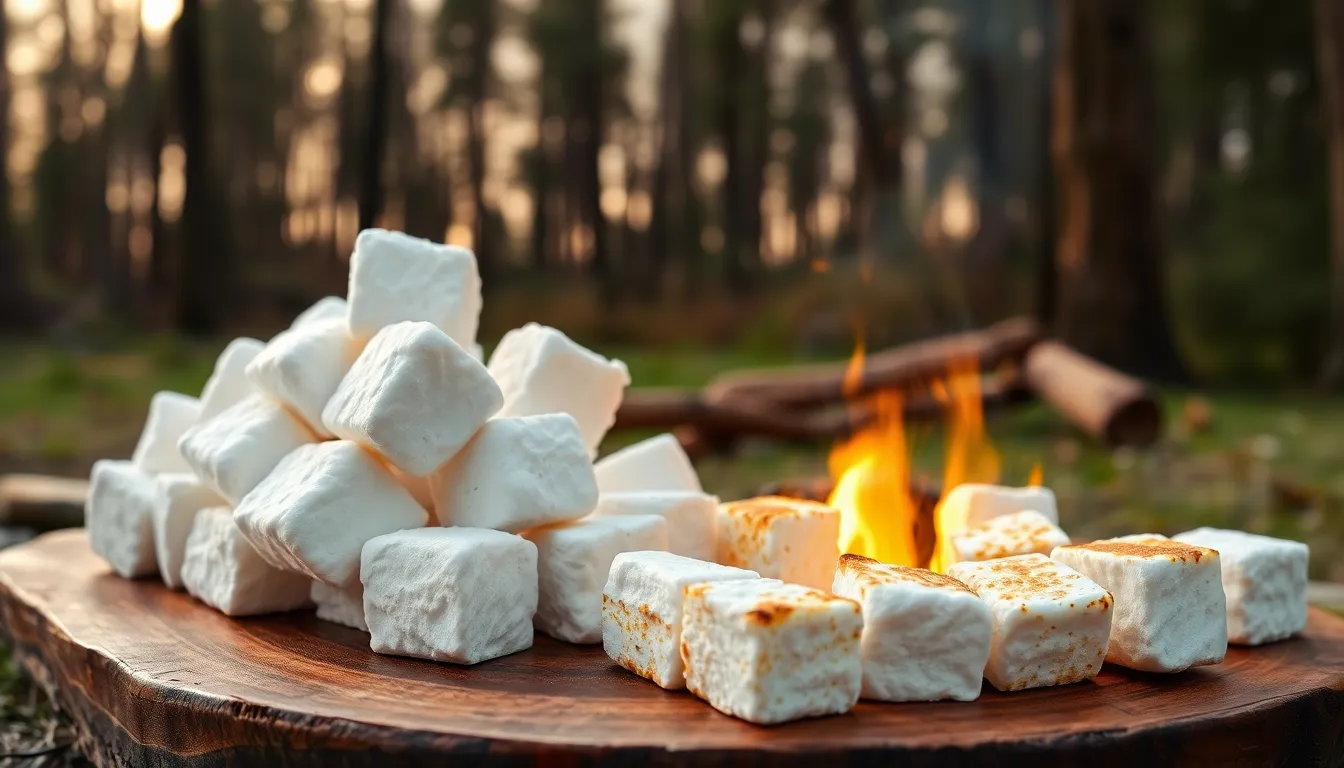
Marshmallows have a unique place in the hearts of many, whether they’re toasted over a campfire or nestled between graham crackers. But what exactly goes into these fluffy treats? Understanding the ingredients that create this beloved confection can deepen appreciation for its sweet, airy texture.
At their core, marshmallows are a blend of simple ingredients that come together to form a delightful treat. Sugar, water, and gelatin are the primary components, but there’s more to the story. The process of whipping air into the mixture transforms it into the soft, pillowy form that people crave. Join the exploration of what makes marshmallows so irresistible and discover the science behind this sugary delight.
What Are Marshmallows Made Out Of?
Marshmallows consist of four primary ingredients: sugar, water, gelatin, and corn syrup. Each ingredient plays a crucial role in the formation and texture of the final product.
- Sugar: Sugar provides sweetness and contributes to the structure of marshmallows. Granulated sugar typically transforms into a syrup when heated with water.
- Water: Water is essential for dissolving sugar and activating gelatin. It creates a smooth mixture that allows air to incorporate during whipping.
- Gelatin: Gelatin functions as a stabilizer, giving marshmallows their distinctive chewiness and helping maintain their shape when whipped. It is derived from animal collagen and is key for achieving the fluffy consistency.
- Corn Syrup: Corn syrup adds additional sweetness and prevents crystallization, ensuring a smoother texture. It aids in achieving the final soft and fluffy form.
The process of making marshmallows involves heating sugar and water to create a syrup, followed by the incorporation of gelatin. Whipping incorporates air, leading to their light, airy structure. Each ingredient contributes to the unique sensory experience that marshmallows offer.
The Ingredients Breakdown
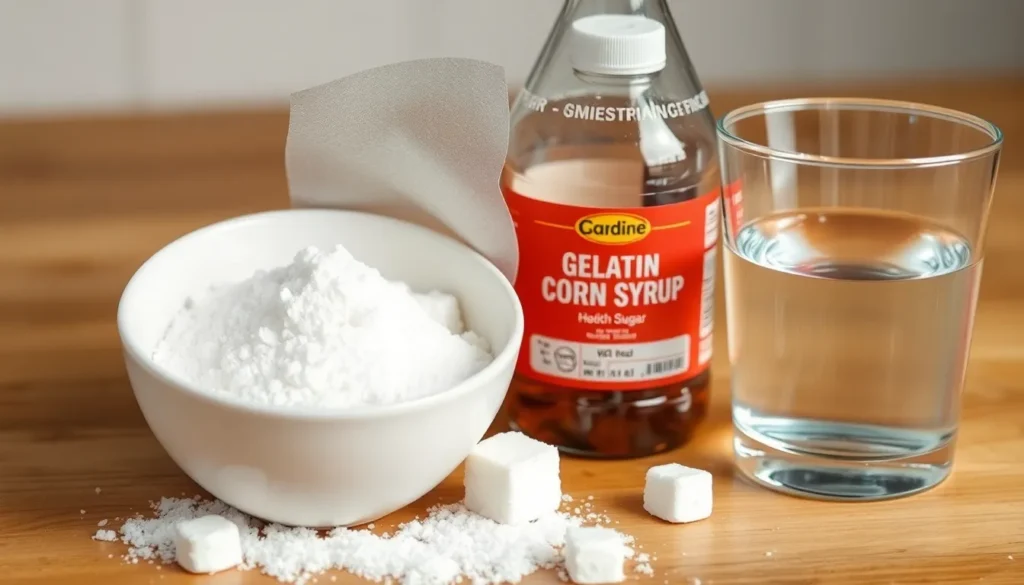
Marshmallows consist of four primary ingredients: sugar, gelatin, corn syrup, and water. Each ingredient contributes to their unique flavor and texture.
Sugar
Sugar accounts for the sweetness in marshmallows, enhancing their overall flavor profile. As it dissolves, it forms the base structure of the confection. Granulated sugar is typically used, combining with gelatin and corn syrup during the cooking process to create a stable and fluffy texture.
Gelatin
Gelatin acts as a stabilizing agent, providing the characteristic chewiness of marshmallows. Derived from animal collagen, it ensures the mixture holds its shape. When heated and dissolved in water, gelatin absorbs moisture and helps achieve the desired fluffy consistency once whipped.
Corn Syrup
Corn syrup contributes additional sweetness to marshmallows while preventing crystallization. This ingredient helps maintain a smooth texture, extending shelf life and ensuring the marshmallows remain soft. High-fructose corn syrup is commonly used for its viscosity and ability to improve mouthfeel.
Water
Water serves multiple purposes in marshmallow production. It dissolves sugar and activates gelatin, allowing for proper mixing. During cooking, water evaporates, leading to the concentration of ingredients. Its role is critical in achieving the right balance for the final product’s texture.
The Manufacturing Process
The manufacturing of marshmallows involves a series of precise steps to achieve their unique texture and flavor. The primary phases include mixing, whipping, and setting.
Mixing
Mixing combines sugar, corn syrup, water, and gelatin in a large vat. Heats the mixture to approximately 240°F (115°C) to dissolve the sugar and activate the gelatin. Ensuring all ingredients blend thoroughly creates a smooth base, essential for the marshmallow’s consistency. Monitoring the temperature and the incorporation of ingredients at this stage is critical for optimal results.
Whipping
Whipping introduces air into the sugar mixture, transforming it into a light, fluffy foam. A commercial mixer is commonly used at high speed to incorporate air effectively. This process significantly increases the volume, giving marshmallows their signature texture. The whipping phase lasts about 10 to 15 minutes to achieve the desired aeration. The whipped mixture must maintain a soft and pliable consistency to ensure proper setting later.
Setting
Setting occurs after whipping, allowing the marshmallow foam to cool and stabilize. The mixture is poured into molds or sheets, where it sits at room temperature. Over a period of 6 to 24 hours, the marshmallows firm up as the gelatin fully hydrates and stabilizes the foam structure. After setting, excess sugar or cornstarch coats the marshmallows, preventing sticking and enhancing their texture. This crucial phase ensures that the marshmallows retain their shape while remaining chewy and fluffy.
Variations in Marshmallow Ingredients
Marshmallow variations cater to diverse dietary preferences and gourmet trends. Two notable categories are vegan marshmallows and gourmet marshmallows.
Vegan Marshmallows
Vegan marshmallows replace traditional gelatin with plant-based alternatives. Agar-agar, carrageenan, and pectin serve as common substitutes, providing the necessary texture without animal products. These alternatives maintain the light, fluffy consistency associated with marshmallows while accommodating vegan diets. Sugar remains a primary ingredient, complemented by corn syrup and flavorings. Some brands include natural extracts like vanilla for enhanced taste.
Gourmet Marshmallows
Gourmet marshmallows incorporate unique flavors and premium ingredients. Artisanal varieties may feature exotic spices, premium vanilla, or infused alcohol, such as bourbon or rum. These marshmallows sometimes include toppings like dark chocolate, nuts, or sea salt that elevate the overall taste experience. Ingredients may also include high-quality organic sugar and non-GMO corn syrup. Gourmet marshmallows often emphasize striking presentations, making them suitable for special occasions or gifts.
Marshmallows are more than just a sweet treat; they embody a delightful combination of science and culinary art. Understanding their ingredients reveals the intricate balance of flavor and texture that makes them so enjoyable. From the essential role of gelatin to the sweetness of corn syrup each component contributes to the beloved marshmallow experience.
With the rise of dietary preferences and gourmet trends there’s a wide array of marshmallow varieties available. Whether indulging in classic s’mores or exploring artisanal flavors these fluffy confections continue to capture hearts and taste buds alike. Embracing the versatility of marshmallows not only enhances culinary creativity but also invites everyone to enjoy this timeless delight in new and exciting ways.