In a world where attention spans are shorter than a cat video, multimedia content creation has emerged as the superhero of storytelling. It’s not just about slapping a few images together and calling it a day. It’s about crafting a captivating experience that keeps audiences glued to their screens. Whether it’s a snazzy video, an eye-catching infographic, or a podcast that feels like a chat with an old friend, the right mix of media can transform mundane messages into unforgettable moments.
But let’s face it, juggling different formats can feel like trying to keep a dozen balls in the air while riding a unicycle. Fear not! With the right tools and strategies, anyone can become a multimedia maestro. Dive into the world of multimedia content creation and discover how to engage, entertain, and educate your audience—all while having a blast. Who knew creating content could be this much fun?
Overview of Multimedia Content Creation
Multimedia content creation involves using various formats to engage audiences. These formats include videos, images, audio, and text, creating rich experiences. Engaging storytelling integrates these elements to enhance communication and foster connections.
In today’s digital landscape, attention spans are short. Content that combines multiple formats captures attention more effectively. For instance, infographics provide visual storytelling that simplifies complex data, while videos deliver information dynamically and often more memorably.
Content creators face challenges when managing different media types. Tools like Adobe Creative Suite and Canva support various aspects of multimedia production. These tools streamline the process, allowing creators to focus on the message rather than technical details.
Strategically using multimedia enables brands to stand out. Research shows that content with visuals receives 94% more views than text-only pieces. Furthermore, incorporating video can increase engagement rates significantly, making it a vital component for effective communication.
Educators and marketers alike benefit from multimedia content. Learning becomes interactive when videos and podcasts supplement traditional materials. Additionally, receiving information through multiple channels enhances retention and understanding.
Creativity plays a crucial role in multimedia content creation. Combining formats innovatively can lead to unique experiences. The key lies in understanding one’s audience and their preferences, enabling tailored content that resonates.
Investing in multimedia content creation fosters audience engagement, educates, and entertains. By embracing this creative process, professionals can communicate more effectively in various settings. It sets the foundation for a broader, more impactful approach to content strategy.
Types of Multimedia Content

Multimedia content comes in various forms, each offering unique ways to engage audiences. Understanding these types can enhance creativity and effectiveness in content creation.
Text
Text acts as the foundation of most multimedia content. Articles, blogs, and social media posts deliver information succinctly. Effective text should be concise and informative, capturing the reader’s attention quickly. Well-structured pieces incorporate headlines, bullet points, and short paragraphs for readability. Statistics reveal that up to 77% of readers skim content, emphasizing the need for engaging yet straightforward text.
Images
Images play a crucial role in visual storytelling. High-quality photos and graphics capture attention immediately. Creators can utilize infographics to present complex data visually, enhancing understanding. Research indicates that visuals increase engagement, leading to 94% more views than text-only content. Selecting images that complement text strengthens the overall message, making the content more memorable.
Audio
Audio content has gained popularity through podcasts and voiceovers. This format allows for storytelling while accommodating busy lifestyles. Creators can engage listeners with informative discussions, interviews, and background sounds. Incorporating audio elements can enhance emotional connections, making the message resonate deeper. Reports show that nearly 30% of adults listen to podcasts regularly, highlighting the format’s effectiveness.
Video
Video content stands as one of the most engaging multimedia types. It combines visuals and audio, creating immersive experiences. Whether through tutorials, interviews, or storytelling, videos convey information dynamically. Statistics reveal that video increases organic traffic by 157%, indicating its impact on audience engagement. Utilizing platforms like YouTube or social media for distribution maximizes reach and effectiveness.
Tools for Multimedia Content Creation
Creating multimedia content requires a combination of effective software and hardware tools. Selecting the right options can greatly enhance the creative process.
Software Options
Various software tools streamline multimedia creation. Adobe Creative Suite offers powerful features for graphic design, video editing, and audio production. Canva presents an easy-to-use platform for designing visuals, ideal for those without extensive design experience. Final Cut Pro serves as a robust choice for video editing, catering to professionals needing advanced capabilities. For audio content, Audacity remains a free and accessible tool, accommodating both beginners and experts. Each of these options supports diverse multimedia formats, fostering creativity in content development.
Hardware Requirements
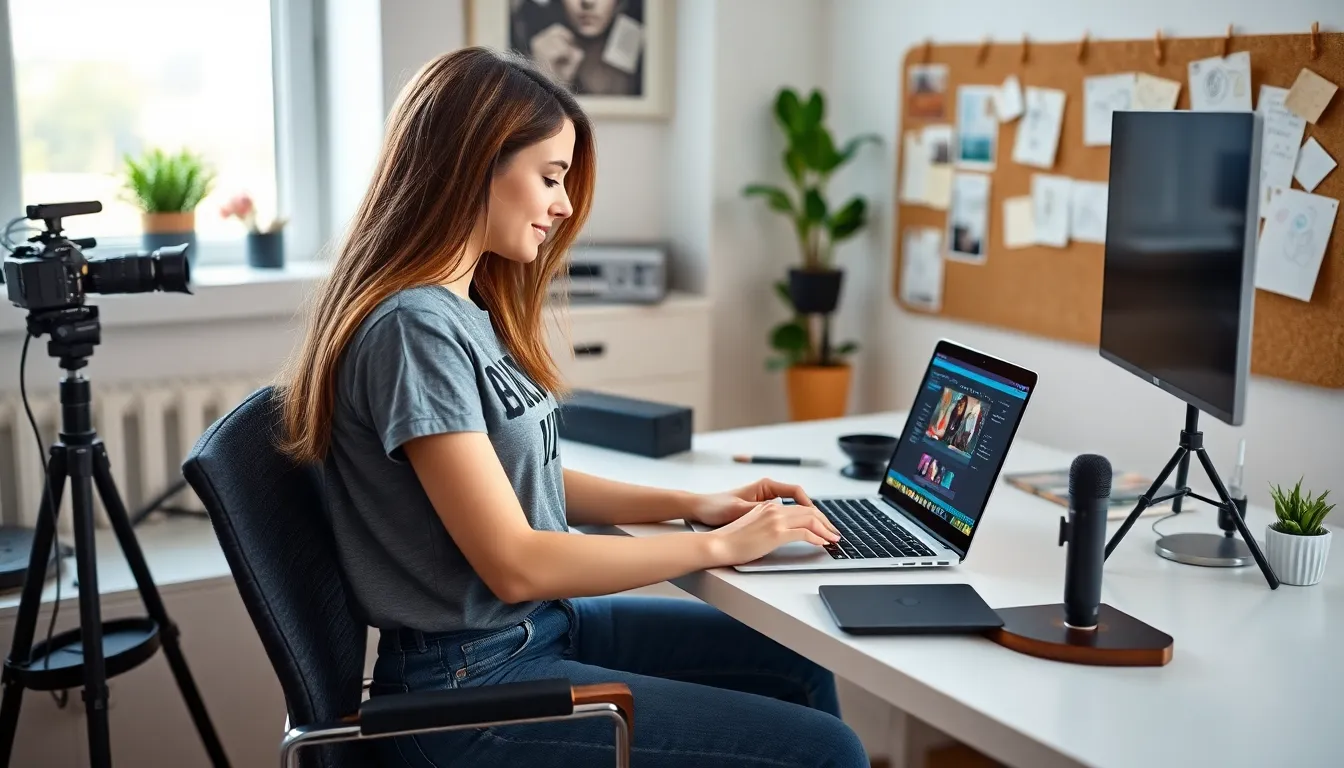
Hardware plays a critical role in multimedia content creation. A high-performance computer equipped with a fast processor and ample RAM ensures smooth operation during editing. Investing in a quality microphone enhances audio clarity in podcasts and voiceovers. A good camera or smartphone with a high-resolution lens allows for capturing stunning visuals and videos. Furthermore, having a reliable graphics tablet simplifies the design process for illustrators and graphic designers. Together, these hardware components create an efficient workspace that boosts productivity and engagement.
Best Practices in Multimedia Content Creation
Multimedia content creation thrives on organization and precision. Following established best practices enhances overall effectiveness and audience engagement.
Planning and Scripting
Effective planning plays a pivotal role in multimedia projects. Start by defining clear objectives and target audience preferences. Outlining key messages helps streamline the creative process. Develop a comprehensive script that aligns with the visual elements, ensuring that each component enhances the narrative. Utilizing storyboards can illustrate how various formats interact, fostering a cohesive flow. Keeping timelines realistic allows for adjustments and refinements throughout production. Prioritizing these elements lays a solid foundation for successful content that captivates viewers.
Editing and Refining
Editing serves as the crucial final touch in multimedia projects. First, review all content for clarity, coherence, and consistency. Trim unnecessary elements to maintain focus and engagement. Utilize feedback from peers to identify areas for improvement and fresh perspectives. Incorporating high-quality visuals, sound, and effects elevates the overall experience. Pay attention to pacing, as well-timed transitions can significantly impact viewer retention. Prioritizing these editing practices results in polished, professional content that resonates with the audience.
The Future of Multimedia Content Creation
Emerging technologies are reshaping multimedia content creation. Artificial intelligence now assists in video editing and graphic design, streamlining processes and making high-quality production accessible. Virtual reality offers immersive experiences, transforming how audiences engage with content.
Innovative tools are emerging in the landscape of multimedia production. Platforms like Descript allow creators to edit audio and video using textual scripts, significantly simplifying the workflow. Advanced analytics tools provide insights into audience preferences, enabling tailored content that resonates deeper.
As audiences demand more personalized experiences, interactive content is gaining traction. Quizzes, polls, and immersive storytelling capture attention and encourage active participation. Reports indicate that interactive content generates twice the engagement of static formats.
Collaboration among creators is vital for pushing boundaries. It’s increasingly common to see artists, designers, and marketers join forces, creating multifaceted projects that blend different media types. This collaborative spirit fosters creativity and drives innovation.
The significance of mobile optimization can’t be overlooked. With over 50% of web traffic coming from mobile devices, creating content tailored for smaller screens is essential. Formats must be responsive and engaging to maintain audience interest across platforms.
Sustainable content creation is also on the rise. Eco-friendly practices are becoming standard, as brands seek to reduce their environmental footprint. This shift not only attracts eco-conscious consumers but also enhances brand credibility.
As multimedia content creation continues to evolve, staying informed about trends and tools becomes crucial. Keeping pace with these changes allows creators to harness new opportunities and maintain a competitive edge in the digital landscape.
Multimedia content creation is an essential skill in today’s digital age. By leveraging various formats like video, audio, and visuals, creators can craft compelling narratives that resonate with their audiences. The right tools and strategies empower anyone to produce high-quality content that stands out.
As technology continues to evolve, staying updated on trends and innovations will be crucial for success. Embracing creativity and collaboration can lead to unique experiences that engage and inform. Ultimately, the journey of multimedia content creation is not just about the end product but also about the connections made along the way.