Pop-ups on an iPhone can feel like that uninvited guest who just won’t leave the party. They sneak in when you’re trying to enjoy your browsing experience, interrupting your flow and testing your patience. But fear not! Unblocking those pesky pop-ups is easier than finding the last slice of pizza at a family gathering.
Understanding Pop-Ups on iPhone
Pop-ups often disrupt browsing on an iPhone. Recognizing their purpose helps users make informed decisions about blocking them or allowing them.
What Are Pop-Ups?
Pop-ups are graphical user interface elements that appear suddenly, usually by opening a new browser window or tab. They can contain advertisements, notifications, or login prompts. Websites utilize pop-ups for various reasons, including capturing email subscriptions, promoting sales, or delivering critical alerts. Although useful, some pop-ups may clutter the screen and hinder user experience on the iPhone.
Why You Might Want to Unblock Them
Unblocking pop-ups can enhance online functionality in several scenarios. Certain websites require them to display important information like terms of service or age verification. Additionally, online forms might use pop-ups to facilitate document uploads or provide customer support chats. Users may experience more seamless interactions by allowing pop-ups, particularly on trusted sites.
How to Unblock Pop-Ups in Safari
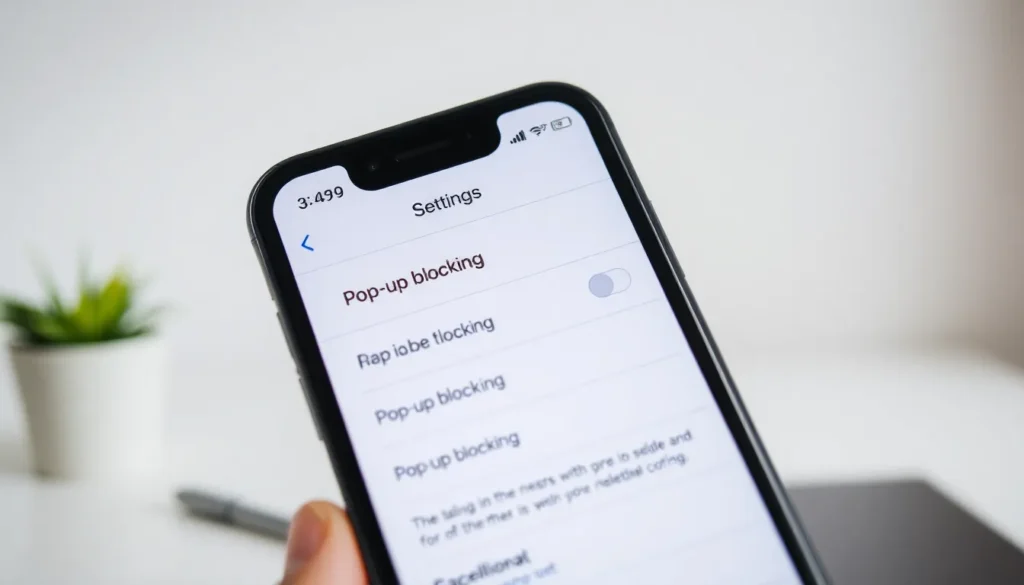
Unblocking pop-ups in Safari enhances the browsing experience on an iPhone. This task is straightforward and can be accomplished through a few simple steps.
Step-by-Step Instructions
- Open the Settings app on the iPhone.
- Scroll down and select Safari.
- Tap on Block Pop-ups, switching the toggle to off.
- Restart Safari to apply the changes.
These actions allow pop-ups to appear again while browsing. Users may find this useful for accessing content that’s essential on certain websites.
Additional Safari Settings to Consider
Adjusting other Safari settings can further refine the browsing experience. Enabling Fraudulent Website Warning increases security while browsing. Activating Prevent Cross-Site Tracking enhances privacy. Switching on Background App Refresh keeps content updated.
These configurations work together with unblocked pop-ups to improve website functionality. They help ensure users interact safely and effectively online.
Unblocking Pop-Ups in Other Browsers
Adjusting pop-up settings varies across browsers on the iPhone. Two popular options are Chrome and Firefox.
Chrome on iPhone
Accessing Chrome’s settings requires a few steps to manage pop-ups. First, open the Chrome app and tap the three dots in the bottom-right corner. Select “Settings” from the menu. Next, choose “Content Settings,” then tap “Pop-ups.” Toggle the switch to allow pop-ups. Users gain seamless browsing experiences on sites that require pop-ups, often enhancing functionality and interaction.
Firefox on iPhone
To manage pop-up settings in Firefox, open the app and tap the hamburger menu in the bottom-right corner. From there, select “Settings.” Navigate to “Privacy” and find “Block Pop-up Windows.” Turn this setting off to enable pop-ups. With pop-ups permitted, users can utilize features on websites that depend on them, improving the overall browsing experience.
Troubleshooting Common Issues
Users may encounter situations where pop-ups still don’t appear even after making adjustments. Double-checking Safari settings is essential. Ensure that the “Block Pop-ups” option remains toggled off. Restarting the browser sometimes resolves lingering issues. Trying to clear Safari’s cache also helps. Keeping the device’s software updated prevents compatibility problems that interfere with pop-up functionality.
Pop-Ups Still Not Appearing
Occasionally, pop-ups won’t appear despite correct settings. Inspecting website permissions can uncover restrictions. Some websites limit functionalities unless allowed in settings. Testing another website ensures that the issue isn’t site-specific. Trying a different browser might reveal if the problem stems from a particular app. Users can also restart the iPhone to refresh its system.
Resetting Browser Settings
Restoring browser settings can fix stubborn pop-up issues. Accessing settings in Safari, Chrome, or Firefox offers users a pathway. For Safari, selecting “Clear History and Website Data” resets the environment. Chrome users can find similar options under “Privacy” settings. Firefox also provides options to clear cookies and cached data. Resetting these values can restore pop-up functionality, providing a seamless browsing experience.
Unblocking pop-ups on an iPhone can significantly enhance the browsing experience. By following the straightforward steps outlined for Safari, Chrome, and Firefox, users can regain access to important website features. Adjusting additional settings further ensures a safer and more efficient online interaction.
For those who encounter issues even after unblocking, troubleshooting tips like checking settings and clearing the cache can help resolve persistent problems. Staying updated with the latest software is also crucial for optimal performance. With these strategies in place, users can enjoy a smoother and more functional browsing experience on their iPhones.